
Delhi’s dengue season isn’t letting up. The city recorded 98 new dengue cases in the first week of October, pushing this year’s total to 695, according to the Municipal Corporation of Delhi’s (MCD) weekly report for the week ending October 3.
The one piece of good news: no deaths from dengue or malaria have been reported in Delhi so far in 2026.
How fast are cases rising?
September was the worst month of the year so far, with 286 dengue cases, up from just 90 in August. Before September, monthly numbers stayed below 100. October has already added nearly 100 cases in a single week, so the peak may not be behind us yet.
Other mosquito-borne illnesses are climbing too:
| Disease | Cases in 2026 (till Oct 3) | Deaths |
|---|---|---|
| Dengue | 695 | 0 |
| Malaria | 266 | 0 |
| Chikungunya | 29 | 0 |
Why October is still risky
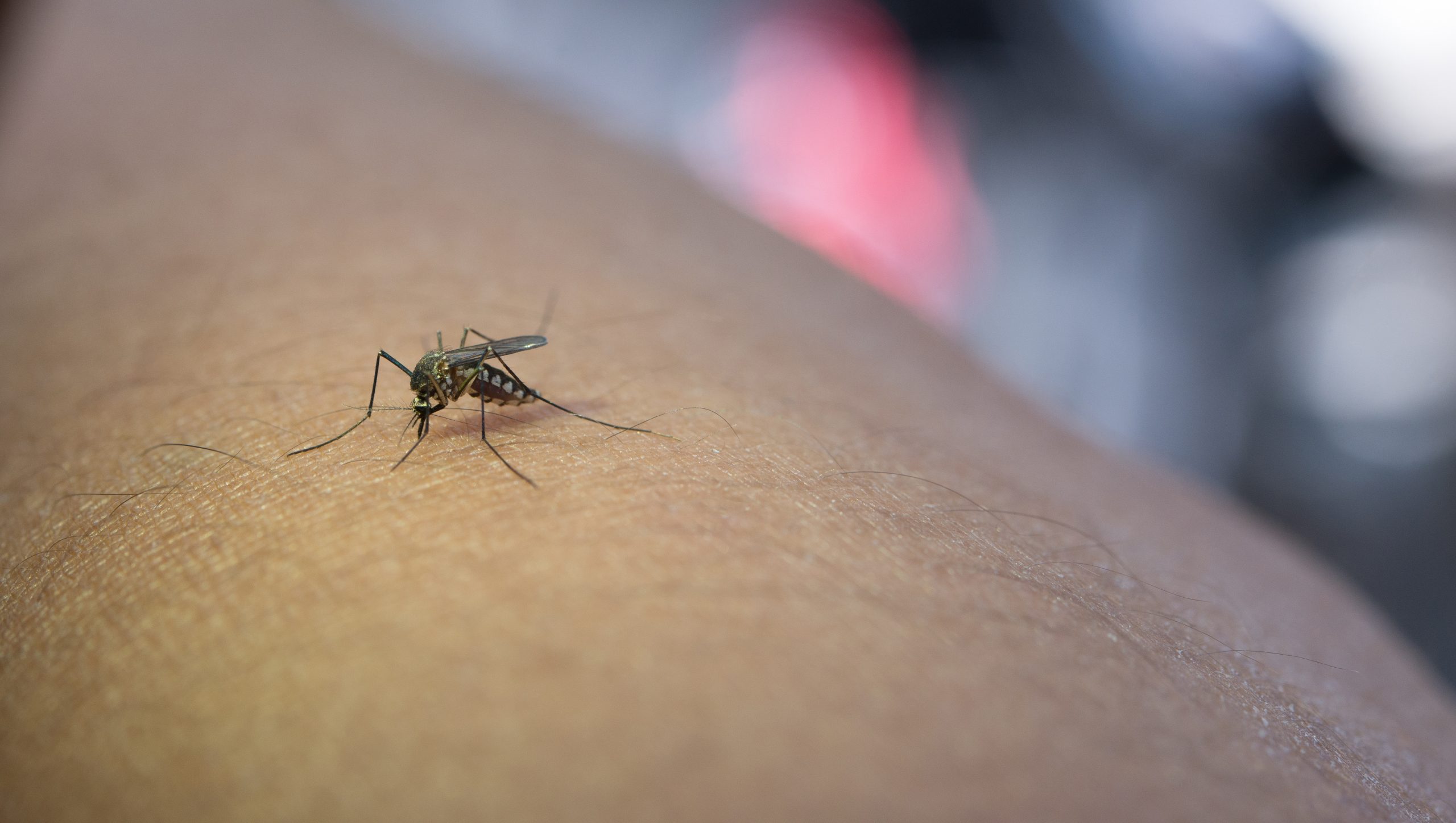
Dengue is spread by the Aedes aegypti mosquito, which breeds in clean, still water. After the monsoon, water collects in coolers, flower pots, tyres and rooftop tanks, giving mosquitoes the perfect nursery. In Delhi, cases usually run from July to November and can stretch into December.
The MCD says it has stepped up inspections and anti-mosquito drives across all zones, issuing over 1.3 lakh legal notices this year to properties where breeding was found.
Common dengue symptoms
Symptoms usually start 4 to 10 days after a mosquito bite:
- Sudden high fever
- Severe headache and pain behind the eyes
- Muscle and joint pain (why it’s called “breakbone fever”)
- Nausea, vomiting or a skin rash
Dengue warning signs: go to a hospital immediately
The risky phase often comes as the fever drops. Seek urgent care if you notice severe stomach pain, repeated vomiting, bleeding from the gums or nose, blood in vomit or stool, unusual tiredness or restlessness, or fast breathing.
Simple ways to protect your family
- Empty and dry coolers, buckets and pots at least once a week.
- Cover water tanks and storage containers.
- Wear full-sleeved clothes, especially at dawn and dusk when Aedes mosquitoes bite most.
- Use mosquito repellent and nets, particularly for children and the elderly.
- Don’t self-medicate. Use paracetamol for fever and avoid aspirin or ibuprofen unless a doctor advises, as they can raise bleeding risk.
Bottom line: Cases are rising but deaths remain at zero. A few minutes of weekly checks around your home can go a long way.
About The Author